FDA 21 CFR 177.1520 Compliance
Polypropylene under FDA 21 CFR 177.1520 is approved for direct food contact applications including:
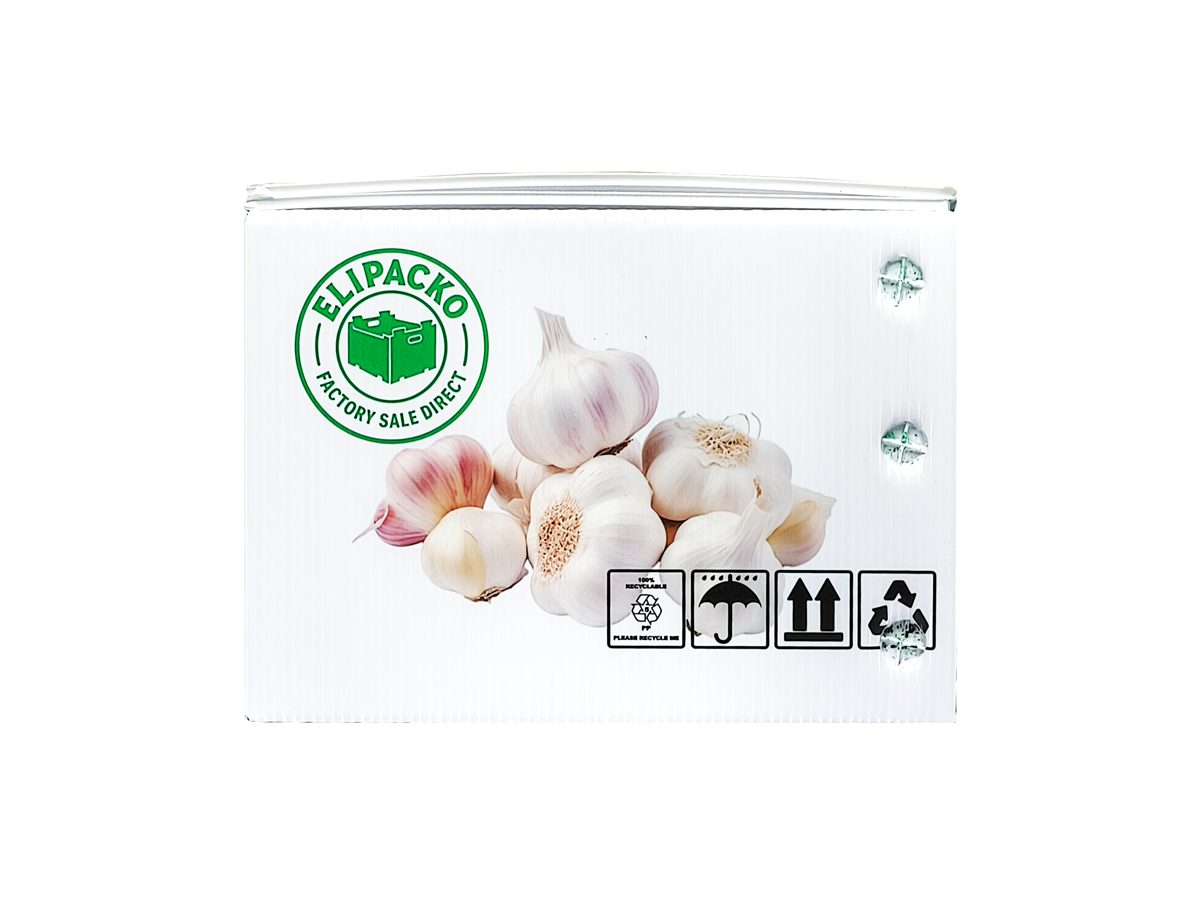
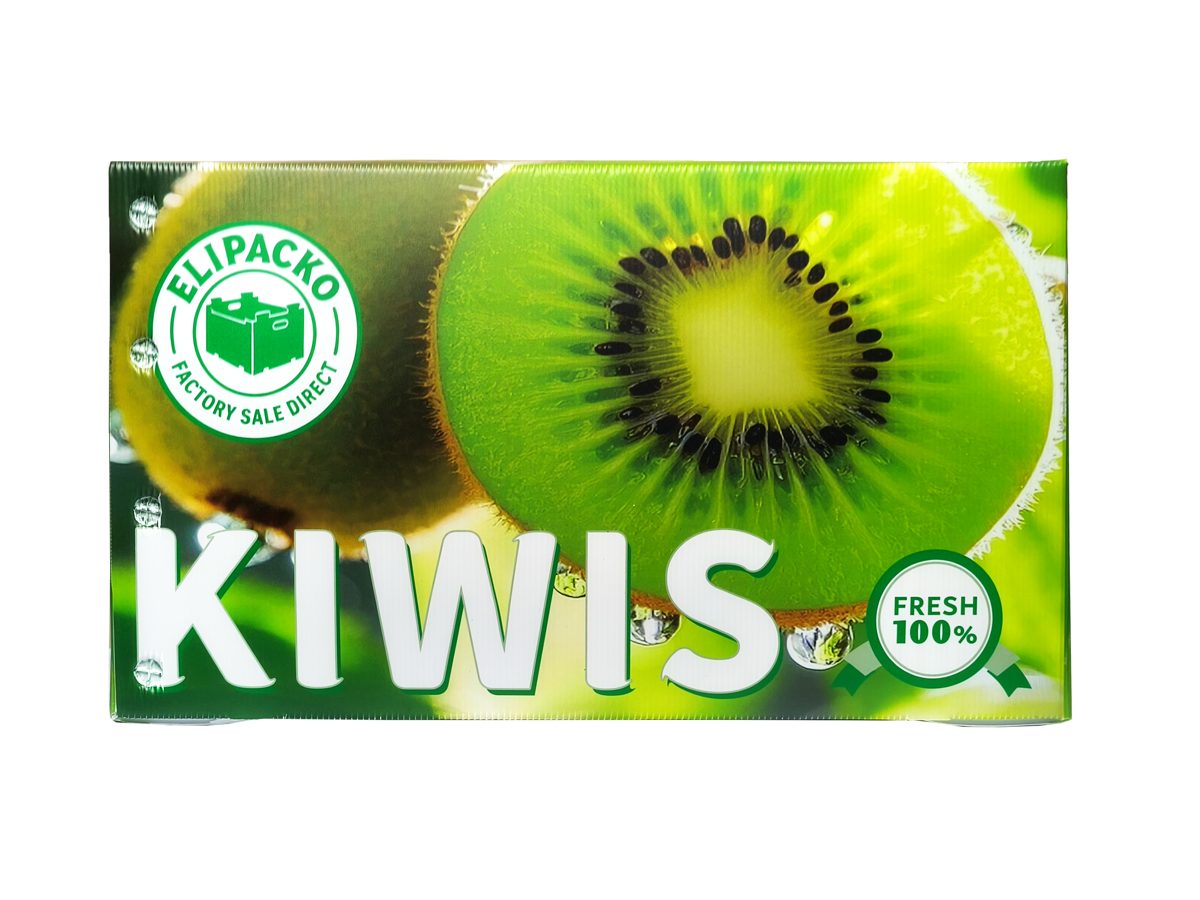
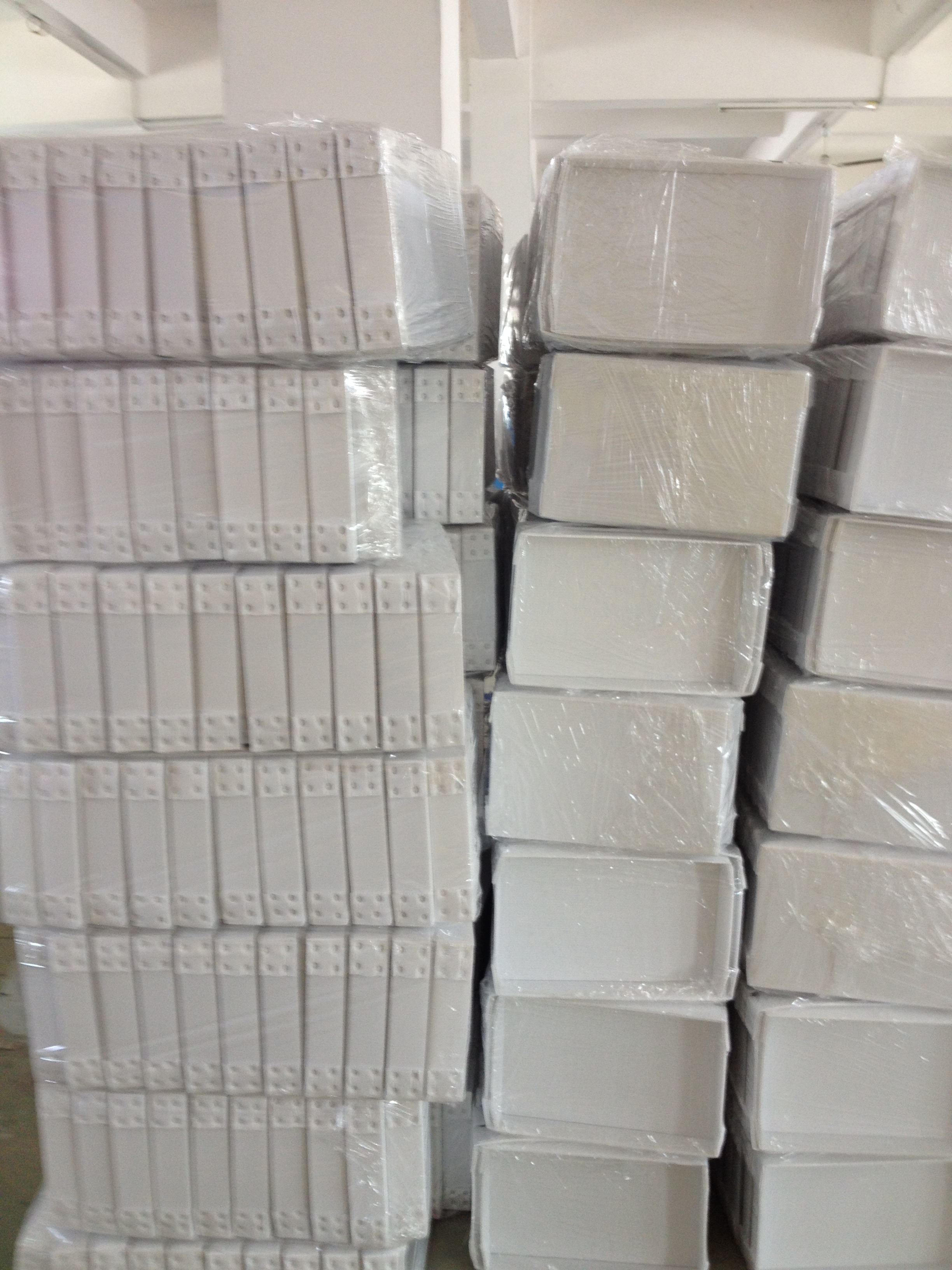
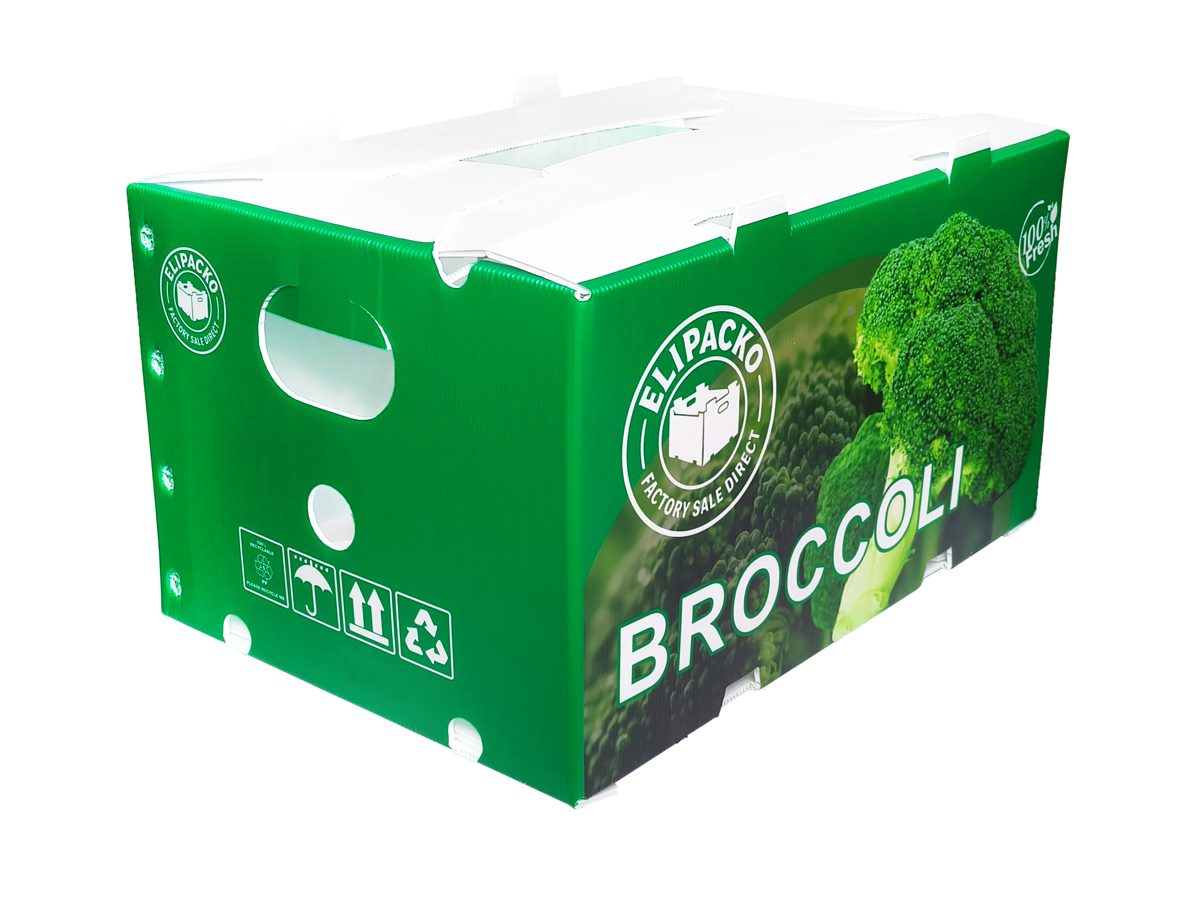
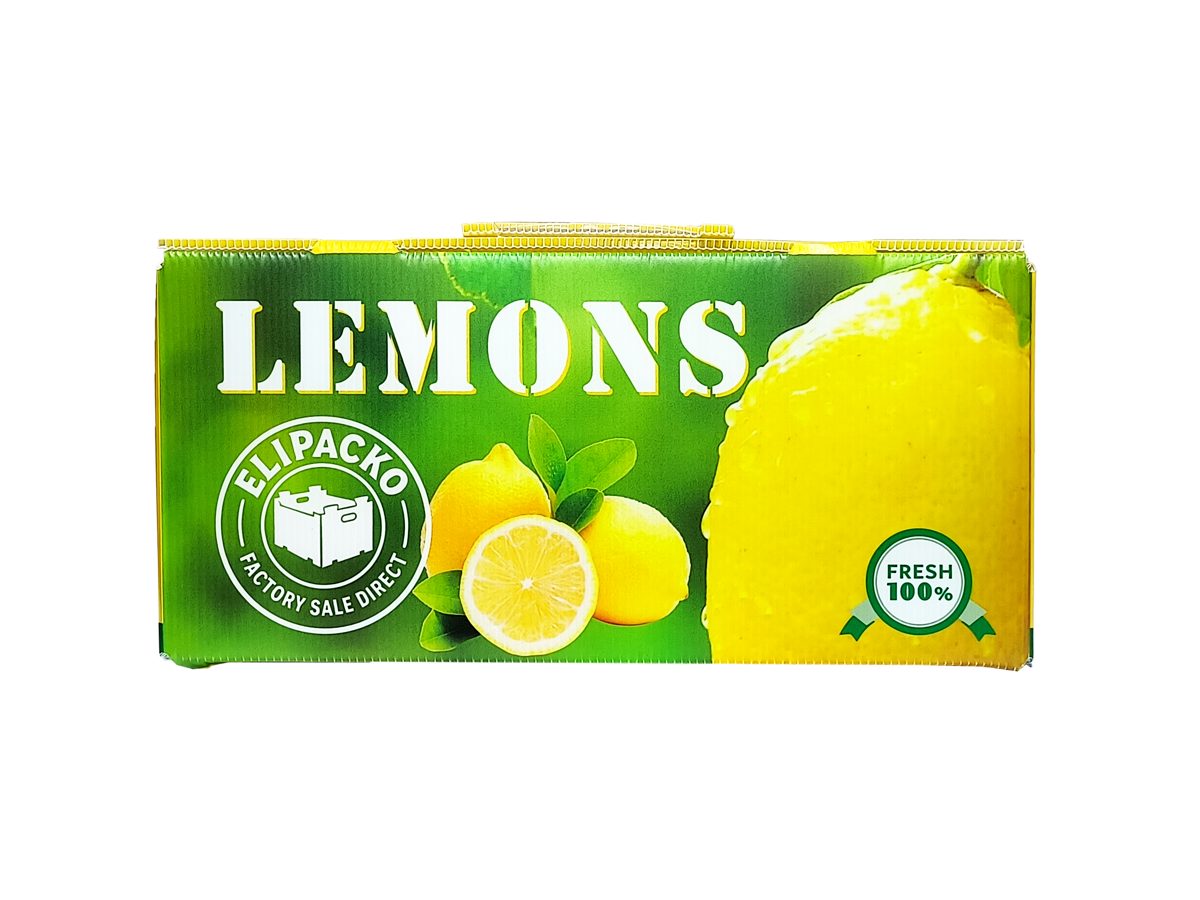
- Produce bins and crates — direct berry, citrus, leafy green contact
- Meat containers — poultry, pork, beef processing
- Dairy — cheese aging containers, milk transport
- Dry goods — grain, flour, sugar, spice packaging
- Frozen food — rated to -10°F without embrittlement
Specifications
| Property | Value |
|---|---|
| Material | Food-grade homopolymer PP |
| FDA compliance | 21 CFR 177.1520 |
| USDA status | Accepted for food facilities |
| Surface | Smooth, non-porous — no bacterial harborage |
| Cleaning | Dishwasher safe, autoclave rated options |
| Odor | Odor-neutral — no flavor transfer |
Why PP Over Other Plastics for Food
PP is the preferred food-contact plastic for a reason:
- Higher heat resistance than LDPE or HDPE — autoclave-rated grades available
- Non-porous surface — no bacterial biofilm formation
- FDA and USDA accepted — no special certification process required
- BPA-free by nature — PP contains no bisphenol compounds
Need Food Grade PP Containers? Quote at Elipacko
Elipacko manufactures custom PP packaging direct from factory — no middlemen, competitive pricing, fast lead times.
Request a Quote at Elipacko.comThe Complete Guide to Polypropylene Containers
Polypropylene corrugated polypropylene containers represent the most significant upgrade available to procurement teams still running single-use cardboard. The material is waterproof, structurally consistent, forklift-compatible, and designed for 50-100 reuse cycles. For industries in food processing, industrial, pharmaceutical, the switch from cardboard to PP corrugated typically pays for itself within one production season.
This guide covers everything buyers need to know about sourcing, specifying, and getting maximum value from polypropylene containers: material specs, industry applications, import duty considerations, and how to evaluate suppliers in a market full of resellers moving low-quality imports.
Why PP Corrugated Outperforms Cardboard
The comparison between PP corrugated and cardboard isn't close in any environment where moisture, temperature variation, repeated use, or forklift handling is involved. Here's the breakdown:
| Property | PP Corrugated | Cardboard |
|---|---|---|
| Water resistance | 100% waterproof | Fails rapidly |
| Reuse cycles | 50-100 | 1 |
| Forklift compatible | Yes (designed for it) | Limited, degrades fast |
| Cleanable | Fully washable | No |
| Food-grade options | FDA 21 CFR compliant | Limited |
| ISPM-15 required | No | No (but wood components do) |
Specification Guide for Polypropylene Containers
Choosing the right polypropylene containers requires matching wall thickness, flute profile, and resin grade to your specific application. Key specifications:
- Wall thickness: 4mm for light duty, 6mm for standard, 8mm for heavy duty, 10mm for bulk container applications
- Flute type: B-flute for top-load stacking strength, C-flute for balanced performance, X-flute (double wall) for maximum rigidity
- Resin grade: Standard PP for ambient environments, high-density PP for cold chain and freezer applications down to -40°F
- Food-grade: FDA 21 CFR-compliant virgin PP for direct food contact — required for produce, poultry, seafood, and processed food applications
- Custom dimensions: Elipacko cuts to custom sizes with lead times varying by volume — contact directly for specifications