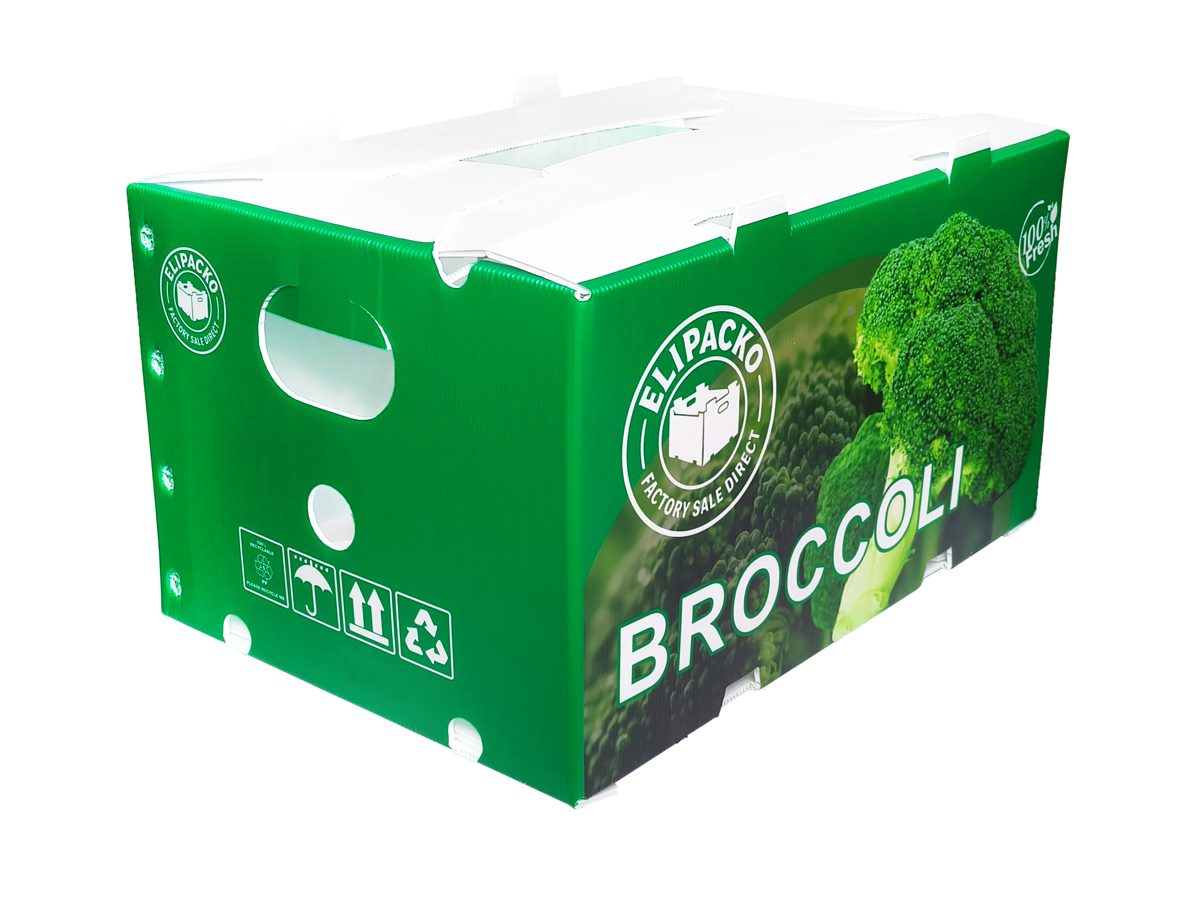
Polypropylene bulk container PP containers in warehouse Polypropylene plastic containers PP polypropylene bulk containers — industrial Polypropylene containers and bins — stacked PP polypropylene container — broccoli — Elipacko

Industrial Polypropylene Packaging — Elipacko

The Right Material for Industrial Containers Starts with Polypropylene

"When your supply chain demands food-safe, high-cycle, lightweight bulk packaging, nothing performs like virgin or post-industrial polypropylene — trip after trip, year after year."

Polypropylene Containers Built for Industrial Scale

Polypropylene (PP) has become the definitive material choice for high-volume industrial container applications — and the reasons are practical, not theoretical. PP combines a high strength-to-weight ratio, outstanding chemical resistance, full food-contact compliance under FDA 21 CFR regulations, and a reuse lifespan that far outlasts alternative packaging formats. At Elipacko, our full range of polypropylene containers covers every bulk handling scenario in the modern supply chain.

Whether you are moving fresh produce through a cold chain, consolidating dry goods at a distribution center, or transporting manufactured components between production facilities, the right PP container reduces damage, cuts labor time, and lowers your per-trip packaging cost well below that of any single-use format.

Why Polypropylene Outperforms in Bulk Container Applications

PP is a semi-crystalline thermoplastic with a melting point typically above 320°F (160°C), making it stable across the temperature ranges encountered in food processing, cold-storage logistics, and ambient warehouse environments. Its low density — typically 0.895 to 0.92 g/cm³ — means a polypropylene container weighs significantly less than an equivalent-volume metal or rigid alternative, directly reducing freight costs and worker fatigue during manual handling.

Chemical resistance is another defining characteristic. Polypropylene does not absorb moisture, resists dilute acids, alkalis, and most common cleaning agents, and does not harbor the microbial growth that porous materials can sustain over repeated use cycles. For food and pharmaceutical supply chains, that resistance is not a nice-to-have — it is a baseline requirement.

Trip lifespan matters enormously in the economics of bulk packaging. Elipacko PP containers are engineered and tested for 50 or more round trips under normal load conditions. Spread your container purchase cost across 50+ uses and the per-trip expense becomes a fraction of any single-use alternative. That math compounds quickly when you are running containers through hundreds of shipments per year.


The Elipacko PP Container Range

Elipacko supplies a comprehensive lineup of polypropylene containers to match the full spectrum of bulk handling requirements. Every product in the range is available in virgin PP resin or food-grade post-industrial PP, with custom dimensions available for high-volume programs.

PP Gaylord Boxes

Our polypropylene gaylord boxes are designed to match GMA pallet footprints and stack efficiently in standard racking. Unlike single-use corrugated alternatives, PP gaylord boxes retain their structural integrity through multiple wash cycles, resist moisture infiltration at the base and walls, and can be fitted with optional liners for powders, granules, or liquids. Standard capacities range from 1,000 lb to 2,500 lb static load rating.

Reusable PP Bulk Bins

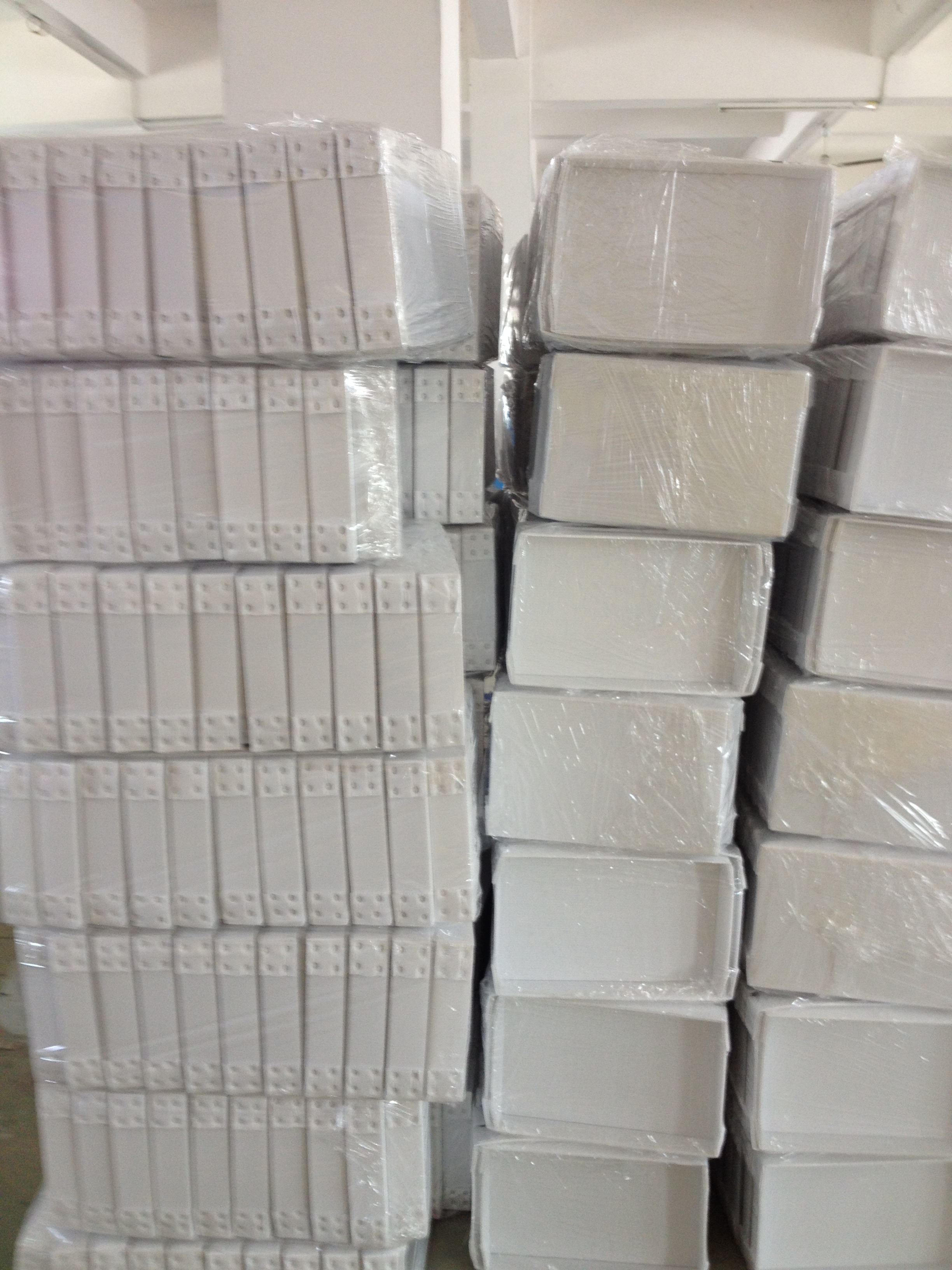
Collapsible and rigid PP bulk bins provide versatile storage and transport for everything from agricultural produce to automotive components. Collapsible models reduce return freight volume by up to 75% when empty, a critical factor for closed-loop supply chains. Rigid bulk bins offer superior stacking strength for high-density warehouse environments.

PP Harvest Lugs and Produce Crates

Our agricultural PP lugs and produce crates are purpose-designed for the demands of fresh produce handling. Smooth-wall interiors prevent bruising, integrated drainage channels manage condensation, and the open-mesh or solid base options allow airflow or liquid management depending on product requirements. All food-contact surfaces meet FDA 21 CFR 177.1520 standards for olefin polymers.

PP Corrugated Containers and Totes

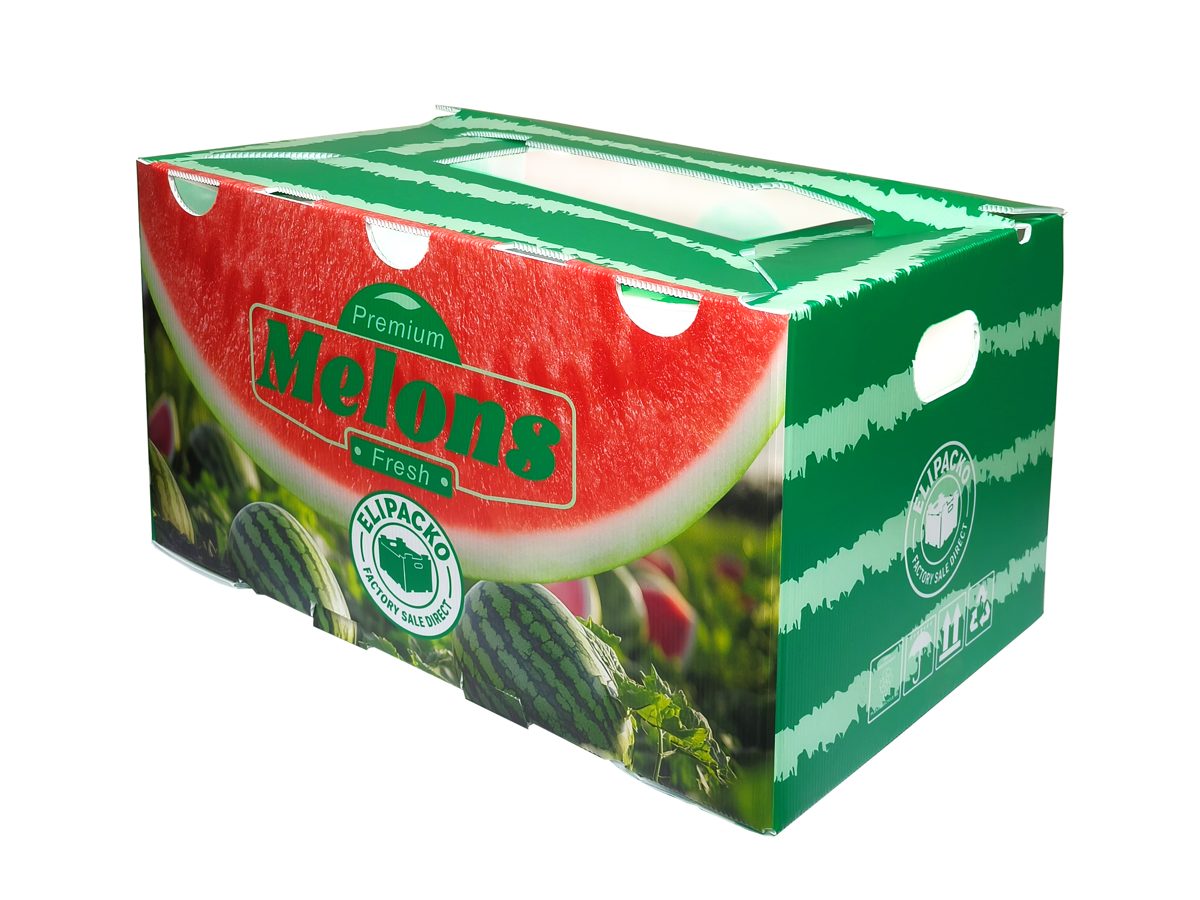
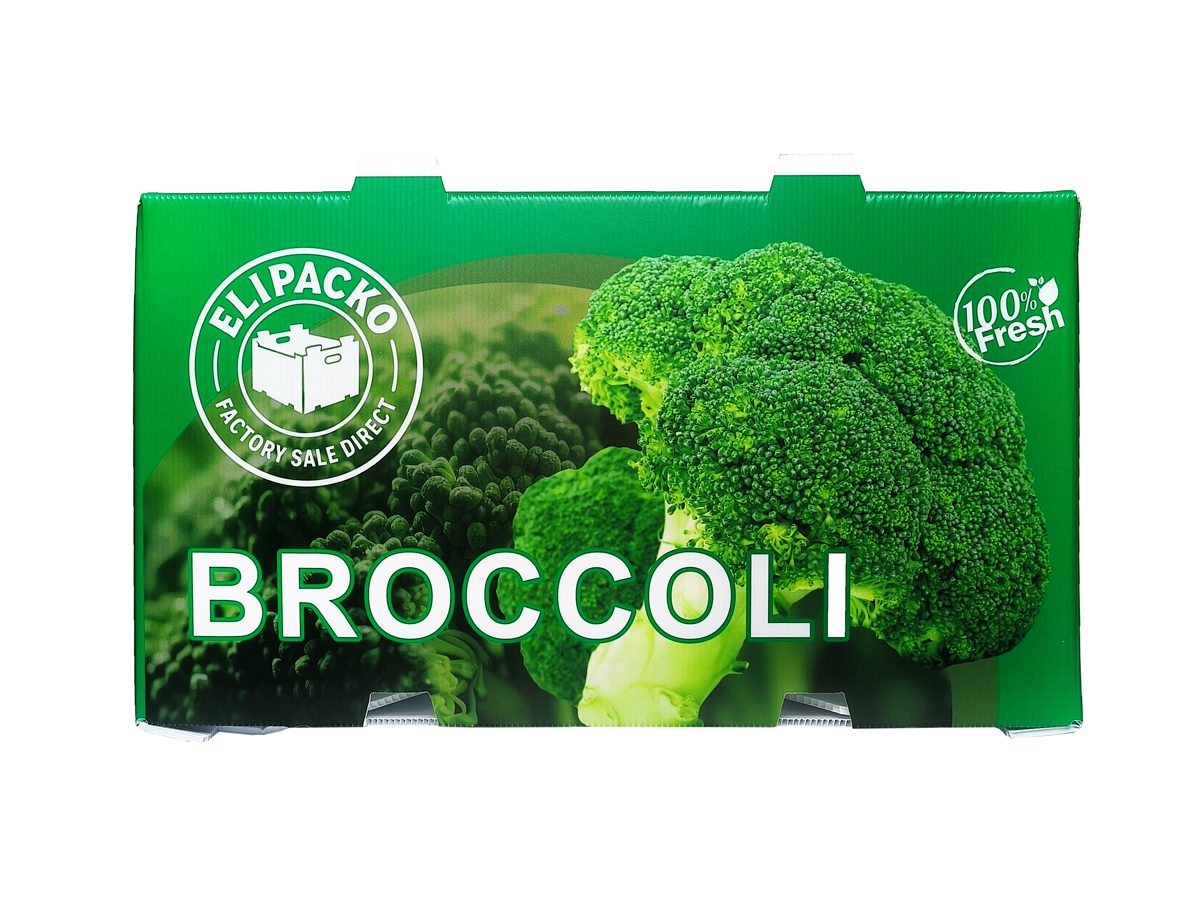
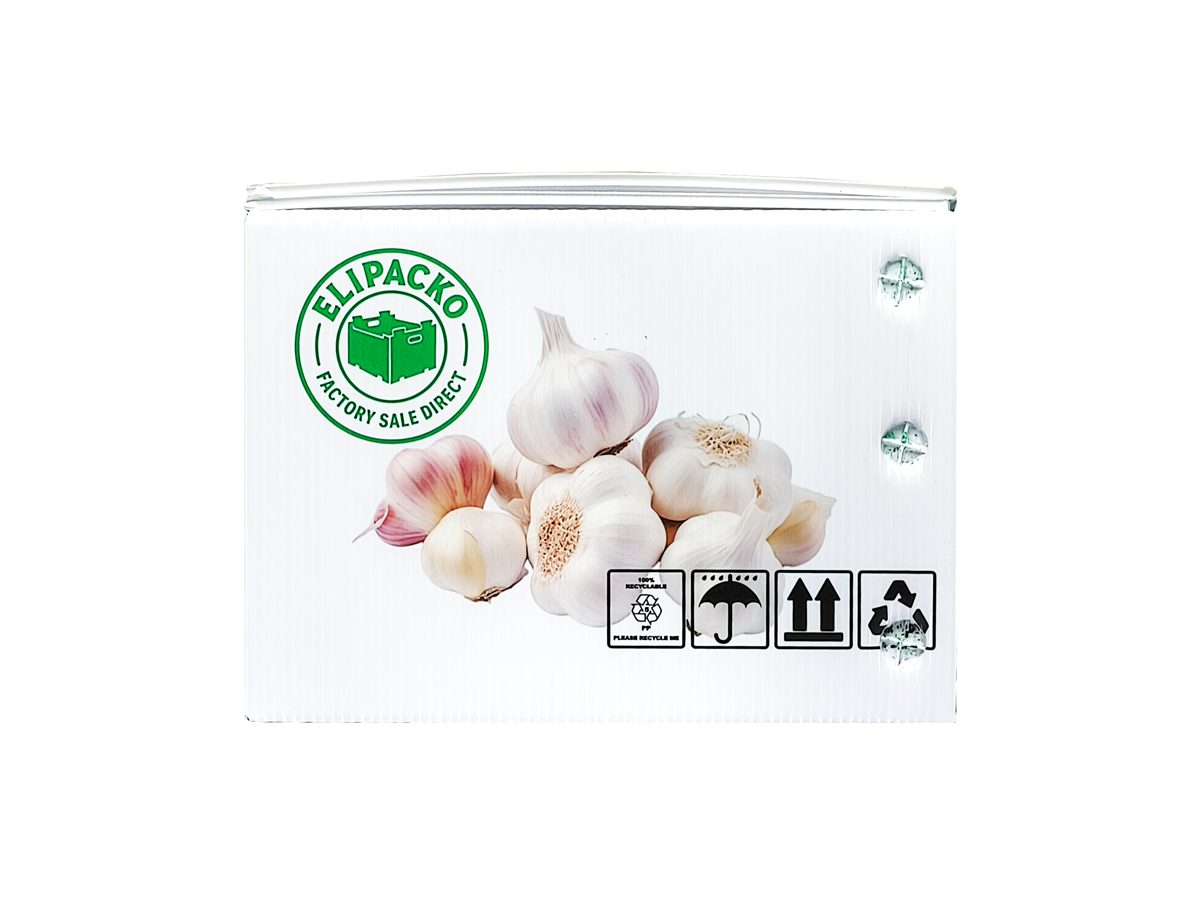
Twin-wall polypropylene corrugated construction delivers excellent stiffness-to-weight performance in box and tote formats. PP corrugated containers resist moisture, stack reliably, and can be custom die-cut to match exact product dimensions. They serve as a durable, reusable alternative to single-use formats in retail distribution, e-commerce fulfillment, and cross-dock operations.

Nestable and Stackable PP Crates

Nestable PP crates reduce empty storage footprint while maintaining full load capacity when in use. Our stackable models include integrated rim profiles for stable column stacking and forklift-compatible base runners. Available in standard standard US and US imperial sizes with antimicrobial additive options for food-service applications.


FDA 21 CFR Compliance and Food Safety

Food safety compliance is non-negotiable in supply chains that handle human food, animal feed, or food-contact packaging materials. Elipacko PP containers are manufactured using resin grades that comply with FDA 21 CFR 177.1520 — the federal regulation governing polypropylene resins for food-contact articles. This regulation establishes the permitted extractable thresholds and additive requirements that ensure PP containers are safe for direct and indirect food contact throughout their service life.

Polypropylene's inherent inertness means it does not impart flavor, odor, or color to food products — a property critical in sensitive commodity applications such as fresh produce, dairy, grain, and packaged dry goods. Our PP resins are sourced from US-approved suppliers with full traceability documentation to support FSMA (Food Safety Modernization Act) compliance programs.

For customers operating under third-party audit frameworks such as SQF, BRC, or GFSI, Elipacko can provide material certificates, resin data sheets, and FDA compliance letters on request. We understand that documentation requirements can be as demanding as the physical performance requirements, and we are equipped to support both.


Sustainability and Recyclability

Polypropylene carries the resin identification code #5 and is accepted by a growing number of municipal and industrial recycling programs across the United States. More significantly, the extended reuse lifespan of PP containers — 50 or more trips versus a single use — means fewer containers consumed, less resin manufactured, and less packaging material entering the waste stream per unit of product moved.

Elipacko supports end-of-life PP resin recovery through take-back programs for high-volume customers. Returned containers that have reached end of service life are directed to certified PP reclaimers for reprocessing into secondary applications, keeping polypropylene in productive use and out of landfill. That is a closed-loop approach to packaging sustainability that delivers real, measurable results — not marketing claims.


Custom Solutions and Program Support

Standard catalog sizes cover the majority of applications, but Elipacko's engineering team works directly with customers to develop custom PP container solutions when standard dimensions do not match. Custom tooling is available for high-volume programs, with lead times and minimum order quantities that reflect the scale of your operation.

Program support services include container management consulting, pooled container programs, wash-and-retest protocols, and RFID or barcode integration for asset tracking. A managed PP container program eliminates the guesswork from container availability, hygiene compliance, and asset loss — giving supply chain managers the visibility and control they need to run efficient operations.

To discuss your application, request samples, or get a volume pricing quote, visit elipacko.com and connect with a packaging specialist today.

Frequently Asked Questions

What makes polypropylene better than other plastics for bulk containers?

Polypropylene offers a unique combination of properties that makes it particularly well-suited for bulk containers: a high strength-to-weight ratio, superior chemical resistance, excellent fatigue resistance under cyclic loading, and full food-contact compliance under FDA 21 CFR 177.1520. PP also has one of the lowest densities among commonly used structural plastics, which translates to lighter containers and lower freight costs. Its semi-crystalline structure gives it stiffness and dimensional stability across the temperature ranges typical in food and industrial logistics environments.

Are Elipacko PP containers compliant with FDA food safety regulations?

Yes. Elipacko PP containers intended for food-contact use are manufactured from resin grades that comply with FDA 21 CFR 177.1520, which governs polypropylene and propylene copolymers used as articles or components of articles intended for food contact. Material certificates and compliance documentation are available upon request for customers operating under FSMA, SQF, BRC, GFSI, or other food safety management frameworks.

How many times can a PP container be reused?

Under normal load and handling conditions, Elipacko PP containers are engineered and tested for a minimum of 50 round trips. Many customers in closed-loop supply chain programs report significantly higher actual trip counts — often 80 to 100+ cycles — when containers are handled with standard care and maintained through regular inspection and cleaning programs. The key factors affecting lifespan are UV exposure, chemical contact, and physical impact; all of which are manageable through proper handling protocols.

Are PP gaylord boxes compatible with standard GMA pallets?

Yes. Elipacko's standard PP gaylord box dimensions are designed to match GMA (Grocery Manufacturers Association) standard pallet footprints of 40" × 48". This ensures compatibility with standard pallet racking, stretch-wrap equipment, and pallet handling machinery used across food distribution, retail supply chain, and industrial logistics operations in the United States.

Can PP containers be custom-sized for our specific products?

Absolutely. Elipacko's engineering team works directly with customers on custom PP container designs when standard catalog sizes do not meet the application requirements. Custom tooling is available for high-volume programs, and our team can assist with dimension optimization, stacking analysis, and material selection for your specific load profile. Contact us through elipacko.com to start a custom program inquiry.

What is the best way to clean and sanitize PP containers between uses?

Polypropylene's chemical resistance makes it compatible with a wide range of industrial cleaning and sanitizing agents, including dilute bleach solutions, quaternary ammonium compounds, and common food-industry sanitizers. Most PP containers can be cleaned using standard tunnel washers, pressure washers, or manual wash stations. Elipacko can provide specific chemical compatibility data for your cleaning program on request. For food-contact applications, cleaning validation documentation is advisable to support audit readiness.

Does Elipacko offer container pooling or managed container programs?

Yes. Elipacko supports pooled container programs for customers with closed-loop or hub-and-spoke supply chain models. Managed programs include asset tracking options (RFID or barcode), wash-and-retest scheduling, container availability reporting, and end-of-life recovery services. These programs are particularly popular in fresh produce, food manufacturing, and retail distribution where container asset control directly impacts operational efficiency and compliance.

Is polypropylene recyclable at end of life?

Yes. Polypropylene (resin code #5) is recyclable and accepted by a growing number of industrial recycling programs and some municipal programs across the US. Elipacko offers end-of-life take-back options for high-volume customers, directing retired containers to certified PP reclaimers for reprocessing into secondary applications. This supports a circular material economy and helps customers meet sustainability reporting targets.